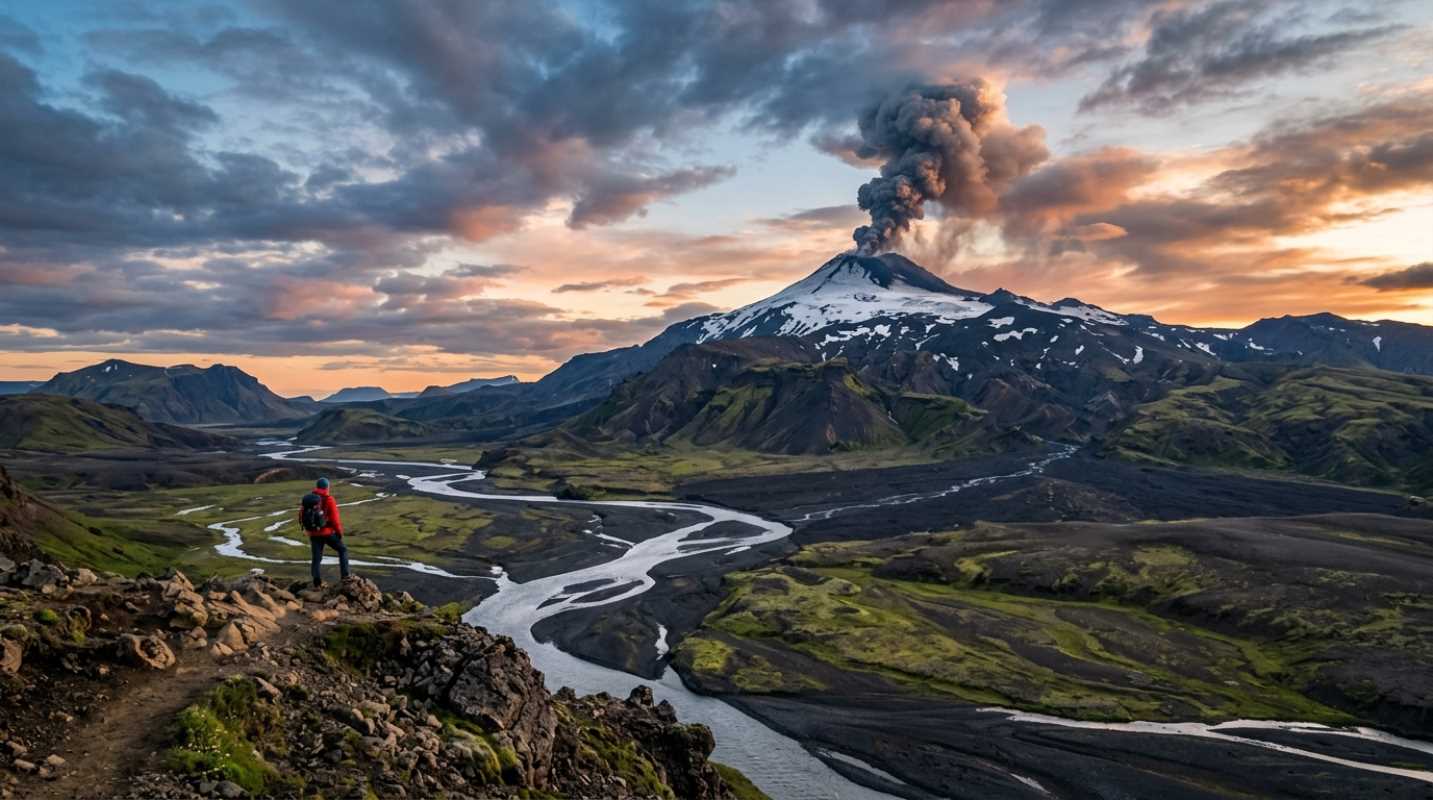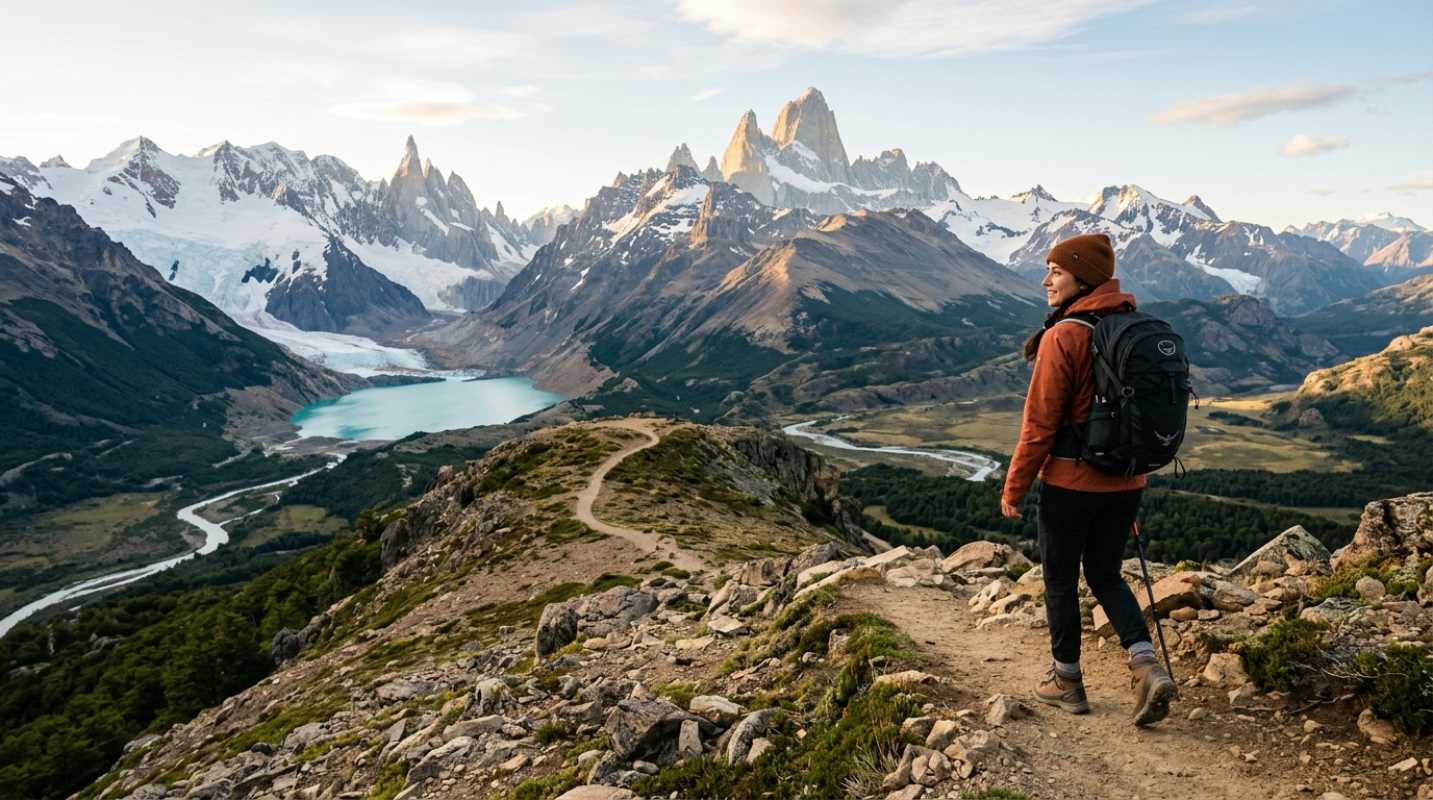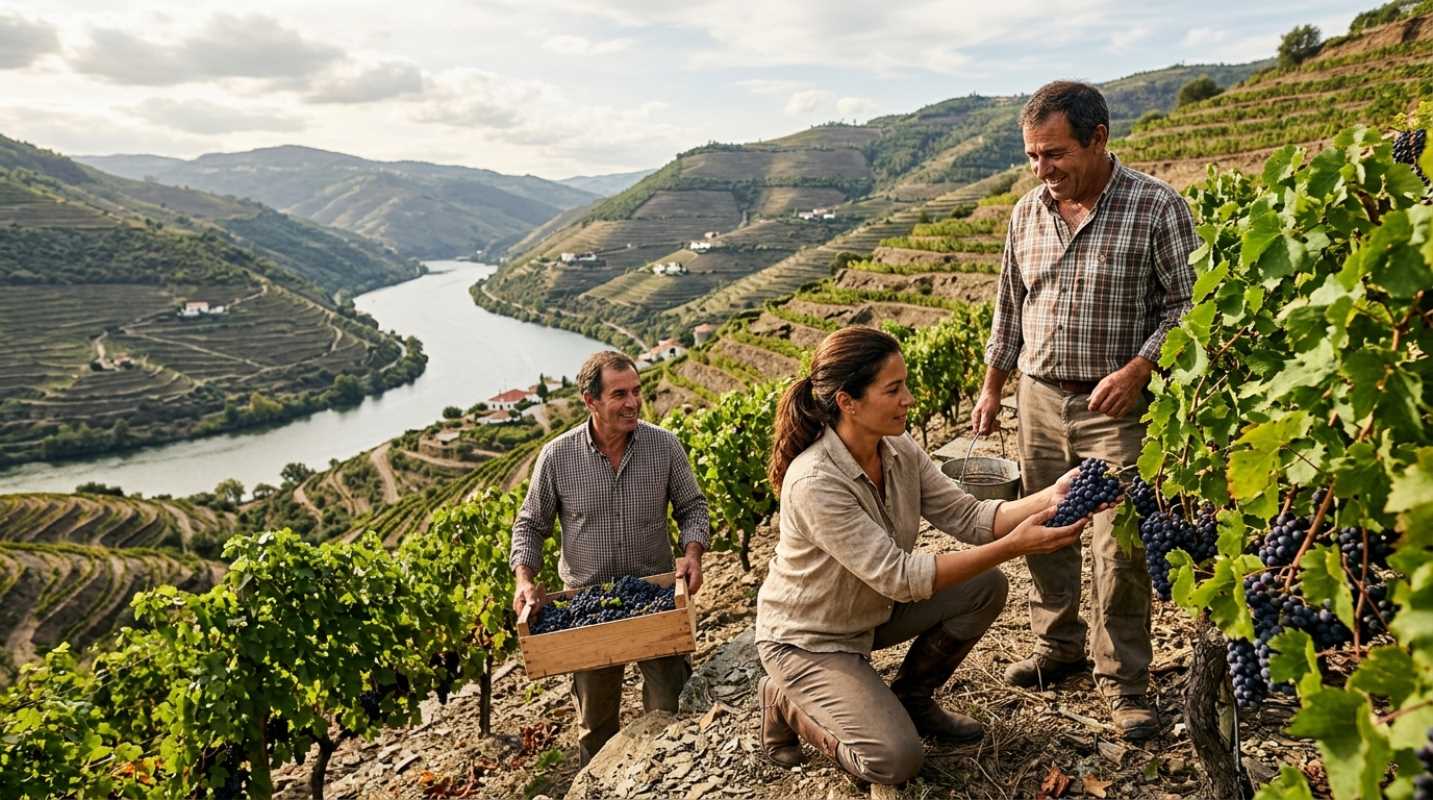
Have you ever scrolled through your social media feed and felt like you were looking at the exact same vacation photo on repeat? The same swing over a Balinese rice terrace, the same blue-domed church in Santorini, the same crowded beach in Thailand. It's exhausting. Many of us are experiencing a deep sense of traveler fatigue. We are tired of the crowds, the curated photo opportunities, and the feeling that we are just checking boxes on someone else's pre-approved list.
The good news is that the world is still full of quiet corners. True exploration means stepping into the unknown and embracing tranquil isolation. It means finding places where nature dictates your schedule, not an algorithm. Let's look at how we can move beyond the postcard and find islands that still feel wonderfully wild.
The Psychology of Seeking Secluded Shores
Why do we feel this sudden, desperate urge to escape to the middle of nowhere? In our hyper-connected, digital-first world, your brain is constantly bombarded with notifications, emails, and updates. We are always on. Seeking out a secluded beach is not just a holiday choice; it's a survival mechanism.
Low-density travel does wonders for your mental health. When you remove the noise of crowded tourist hubs, your nervous system finally gets a chance to reset. You stop rushing. You stop worrying about what you are missing out on because there is nothing else to do but listen to the waves.
This shift changes how you travel. You stop focusing on merely seeing a destination and start actually experiencing it. Instead of collecting sights, you start collecting moments, like the sound of the wind through coastal pines or the feeling of cold volcanic sand between your toes.
Curating Your Escape and Finding Undiscovered Destinations
So, how do you actually find these places before they hit the mainstream radar? It takes a bit of digital detective work. You have to look past the first page of search results and ignore the travel influencers. Look for spots with limited transport links, tiny populations, and strict environmental protections.
But finding these places comes with a heavy dose of responsibility. Ethical travel is not a buzzword; it's a necessity when you visit fragile ecosystems. You need to respect local communities and understand that you are a guest in their home, not a consumer of their resources.
Understanding the logistics of harder-to-reach locations can be tricky. You won't find direct flights or massive cruise ports here. You might need to book a tiny propeller plane, wait for a weekly ferry, or hike your way in. It requires patience, but that's exactly what keeps these places pristine.
Case Studies in Stillness and Islands You Haven't Heard Of
Let's look at some real examples of islands that have resisted the urge to become mass-tourism magnets. These places show us that a different kind of travel is possible.
The Azores in Portugal
Scattered across the middle of the Atlantic Ocean, the Azores feel like a lost world. Although most tourists head to the beaches of mainland Europe, this Portuguese archipelago offers dramatic volcanic craters, steaming geothermal hot springs, and incredible whale watching. The Azores historically focused on dairy farming and fishing instead of tourism, which kept them remarkably untouched.
They're also leading the way in sustainability. The Azores was the first archipelago in the world to earn the EarthCheck Sustainable Destination certification, securing Gold status.¹ Almost forty percent of its land is strictly protected, and they recently established the largest Marine Protected Area in the North Atlantic.
Saba in the Dutch Caribbean
Forget the mega-resorts and cruise ship crowds of the rest of the Caribbean. Saba is a dramatic volcanic peak rising straight out of the sea. Spanning just thirteen square kilometers, this tiny island has a population of only two thousand residents and has deliberately banned cruise ship ports.
To get there, you have to brave a twelve-minute flight landing on the shortest commercial runway in the world. Once you arrive, you'll find untouched rainforests and vertical dive walls. Saba is also a leader in clean energy, aiming for complete energy independence by 2030.²
Dominica, the Nature Island
Dominica isn't your typical flat, sandy Caribbean island. Its rugged, volcanic terrain has naturally kept mega-resorts at bay, attracting hikers and wellness seekers instead. The island is packed with boiling lakes, lush rainforests, and hundreds of rivers.
Dominica is working hard to build the world's first climate-resilient nation by banning single-use plastics and constructing a massive geothermal energy plant. Although overall visitor numbers have risen recently, stayover arrivals remain incredibly low, meaning you can still hike the interior without seeing another soul.³
The Isle of Eigg in Scotland
If you prefer wild, wind-swept beauty over tropical heat, head to the Inner Hebrides. The Isle of Eigg is a community-owned island home to just one hundred permanent residents.
Eigg is completely off-grid, running its own hybrid green grid that combines hydro, wind, and solar power. To keep overtourism at bay, the island limits visitor infrastructure, offering low-impact yurts and bothies instead of hotels.
Stewart Island in New Zealand
Known in Māori as Rakiura, which means glowing skies, Stewart Island is New Zealand's third-largest island. It is home to only four hundred people, and over eighty-five percent of the island is protected national park territory.
The island is a certified International Dark Sky Sanctuary, making it one of the best places on earth to view the stars and the southern lights. It also has Ulva Island, a completely predator-free open sanctuary where rare native birds roam free without fear of introduced pests.
If you are ready to plan your own escape to these quiet corners of the world, here are a few key things to keep in mind.
• Choose community-owned lodging: Choose locally run guesthouses or homestays to make sure your money directly supports the residents.
• Respect local resource limits: Be aware of water and energy usage, especially on off-grid islands like Eigg.
• Embrace slow travel: Spend at least a week in one place rather than rushing through multiple destinations.
The Future of Responsible Adventure
Finding these untouched islands is a privilege, but it also comes with a quiet warning. How do we balance our desire to discover these places with the absolute need to preserve them? The answer lies in shifting our perspective on what travel should be.
We need to prioritize quality over quantity. Instead of trying to tick off ten different countries in a single year, we should spend more time in one place, getting to know its rhythms and its people. This approach is better for the planet, and frankly, it's much better for your soul.
So the next time you plan a trip, look past the glossy postcards and the viral travel videos. Embrace the unknown, book the slower ferry, and seek out the places that don't care about your social media feed. You might just find exactly what you were looking for.
Sources:
1. Visit Azores - Sustainable Tourism Destination
https://www.visitazores.com/en/sustainable-tourism-destination
2. Go World Travel - Saba Sustainable Paradise
https://www.goworldtravel.com/saba-sustainable-paradise/
3. Hope Research Group - Caribbean Eco-Tourism Growth
https://www.hoperesearchgroup.com/blog/caribbean-eco-tourism-growth