 (Image via
Have you ever dreamed of getting off the beaten path and discovering the hidden heart of a country? There is a powerful movement in travel that does just that, bringing new life to small towns and rural areas. It’s called sustainable tourism, and it is creating incredible opportunities for both travelers and local communities!
This exciting approach to travel focuses on creating positive impacts, from protecting the environment to supporting local economies. Let's explore how these amazing projects are helping rural communities thrive and how you can be a part of this wonderful change.
What is Sustainable Rural Tourism?
Sustainable tourism is all about visiting a place in a way that benefits its environment, culture, and economy. In rural areas, this means creating travel experiences that are authentic, responsible, and empowering for local people.
Here are some of the fantastic ways it works:
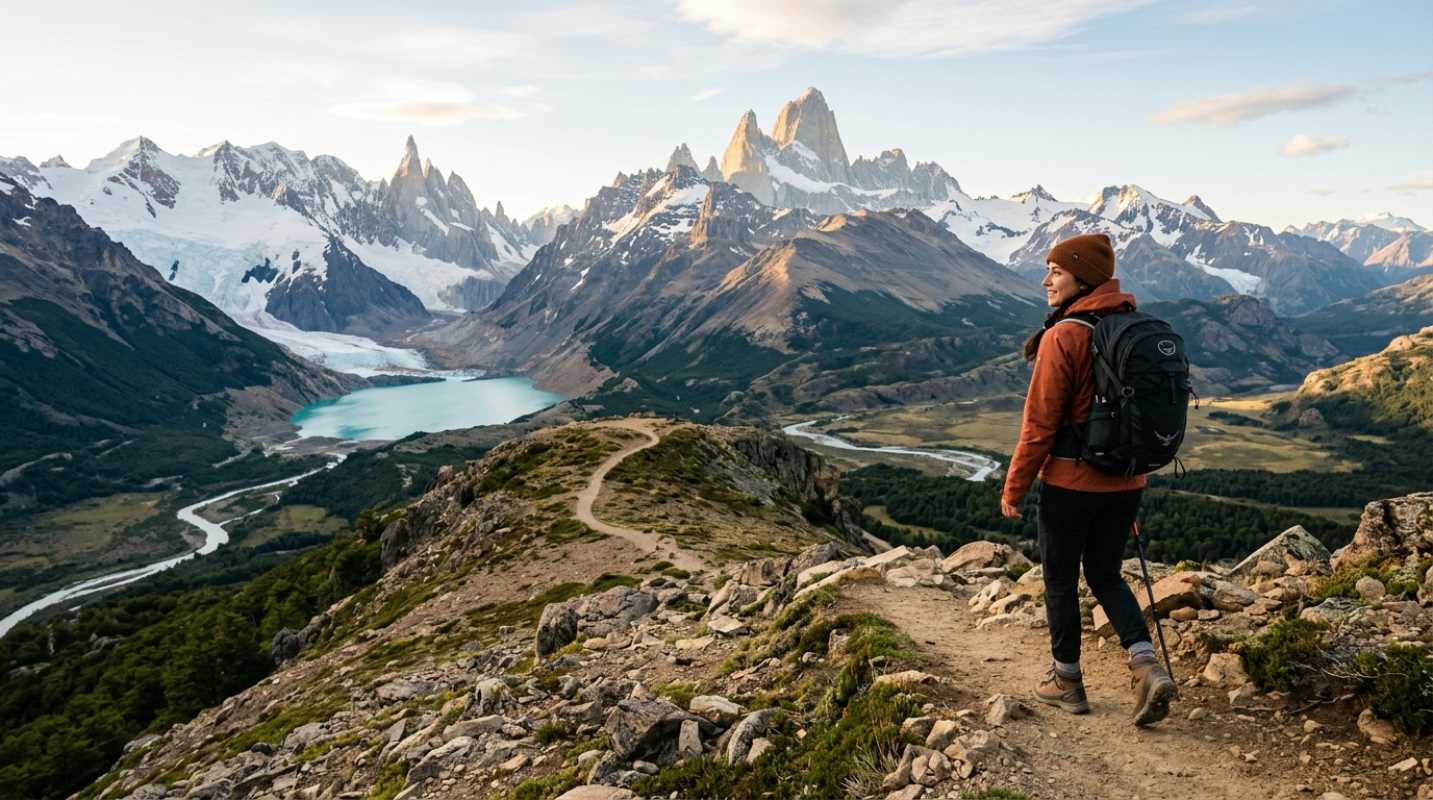
- Eco-Tourism: This focuses on enjoying nature responsibly. Think guided hikes, wildlife watching, and stays in eco-lodges that are designed to have a minimal environmental footprint.
- Cultural Heritage Preservation: These projects celebrate local traditions! You might get to participate in a local festival, learn an ancient craft from an artisan, or explore historic sites that are being preserved with tourism funds.
- Community-Based Tourism: This is where the community is in the driver's seat. Locals own and operate the tourism businesses, ensuring that the profits stay in the community and the experiences are truly authentic.
Inspiring Success Stories from Around the World
The best way to understand the power of sustainable tourism is to see it in action. These amazing examples show how it can transform a region's future!
Agritourism in Italy: A Taste of the Good Life
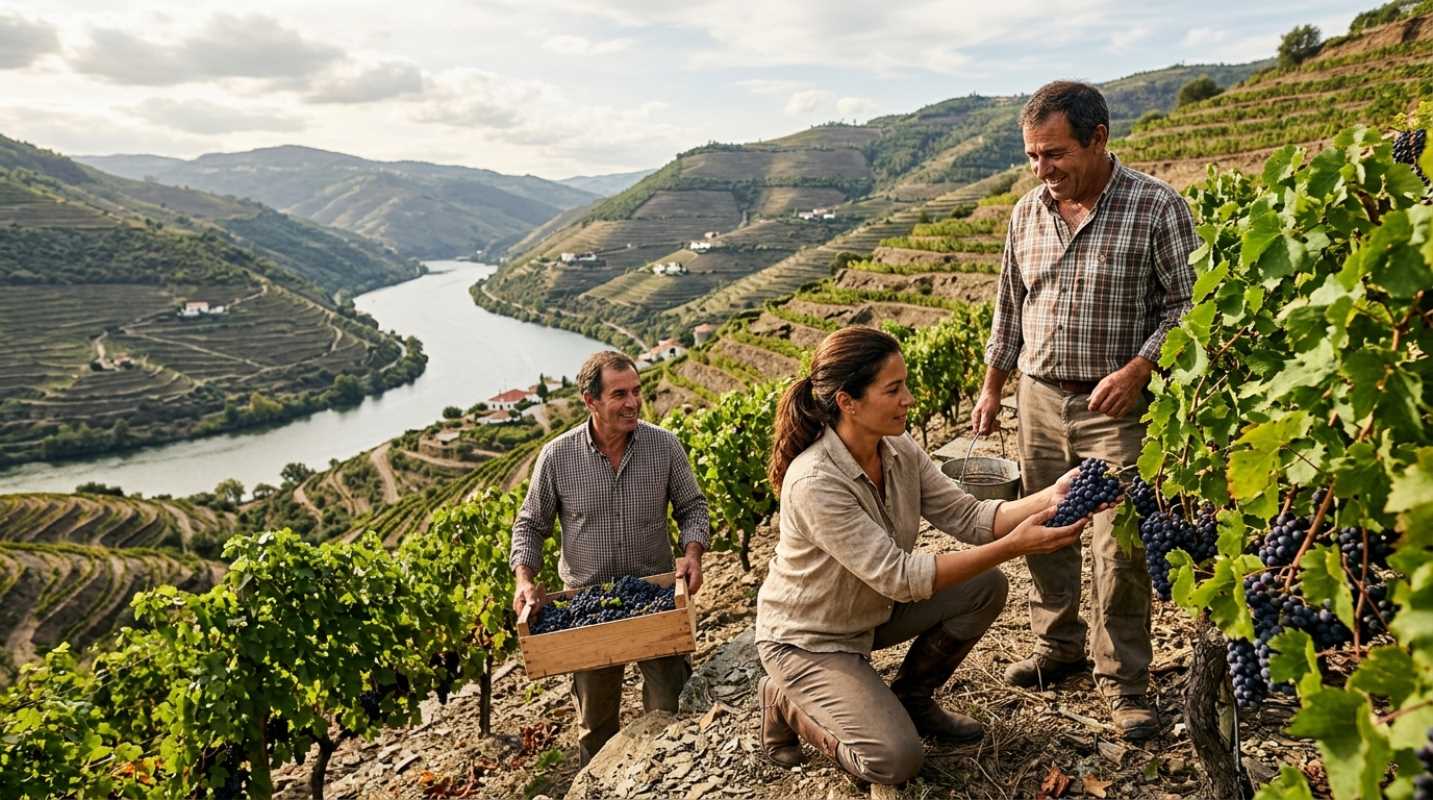
In the rolling hills of Tuscany and other Italian countrysides, many family farms have opened their doors to visitors. This is "agriturismo," and it is a brilliant model of sustainable tourism. Travelers can stay in charmingly restored farmhouses, enjoy delicious meals made from fresh, homegrown ingredients, and even participate in activities like olive harvesting or cheesemaking.
This has provided a vital new source of income for farmers, helping them preserve their agricultural traditions and the beautiful landscapes they maintain. It is a win-win: visitors get an unforgettable, authentic experience, and rural communities get the economic boost they need to flourish.
Community Lodges in Africa: Empowering Local Voices
In countries like Kenya and Namibia, community-owned safari lodges are changing the game. Instead of large corporations running everything, local communities manage the lodges, lead the wildlife tours, and share the profits. This model directly links wildlife conservation with economic benefit.
When locals see that protecting elephants and lions brings jobs and income for their families, they become the most passionate conservationists. These lodges, such as the Il Ngwesi and Tassia lodges in Kenya, offer travelers a unique cultural connection and the knowledge that their visit is directly supporting the people and animals of the region.
Cultural Festivals in Southeast Asia: Celebrating Heritage
Across Southeast Asia, small communities are turning their unique cultural traditions into vibrant festivals that attract visitors from around the world. From the Bun Bang Fai rocket festival in rural Thailand to traditional weaving celebrations in Indonesian villages, these events are a feast for the senses.
By developing tourism around these festivals, communities can preserve their intangible heritage—the songs, dances, and ceremonies passed down through generations. The income from visitors helps fund the events and provides jobs, all while giving travelers a spectacular and meaningful experience.
The Journey to a Balanced Future
Of course, bringing more visitors to a quiet rural area comes with challenges. It's important to find the right balance between growth and preservation. Communities need to be careful to avoid "overtourism," where too many visitors can strain local resources and disrupt the way of life.
The key is careful planning. This involves:
- Community Involvement: Ensuring local people have a say in how tourism develops in their area.
- Environmental Protection: Setting visitor limits in sensitive natural areas and promoting eco-friendly practices.
- Authentic Experiences: Focusing on high-quality, meaningful interactions rather than just high tourist numbers.
By managing tourism thoughtfully, rural areas can enjoy the economic benefits without sacrificing the very culture and nature that make them special.
How You Can Be a Part of the Solution
Ready to make your next trip a force for good? It’s easier than you think! Here are a few simple tips for supporting sustainable rural tourism:
- Choose Local: Stay in locally-owned guesthouses, eat at family-run restaurants, and hire local guides.
- Buy Authentic Souvenirs: Purchase crafts directly from the artisans who make them.
- Respect the Culture: Learn a few words in the local language and be mindful of local customs.
- Travel During the Off-Season: This helps reduce pressure during peak times and provides a more stable, year-round income for communities.