Let's be honest. There is nothing wrong with a crisp glass of Chianti in a Tuscan villa or a bold Cabernet Sauvignon in a sleek Napa tasting room. They are classics for a reason. But let's also admit that those experiences can feel a bit like a well-rehearsed play. The prices are high, the crowds are dense, and the corporate feel can sometimes drown out the actual magic of the grape.
What if you want something raw, authentic, and genuinely surprising?
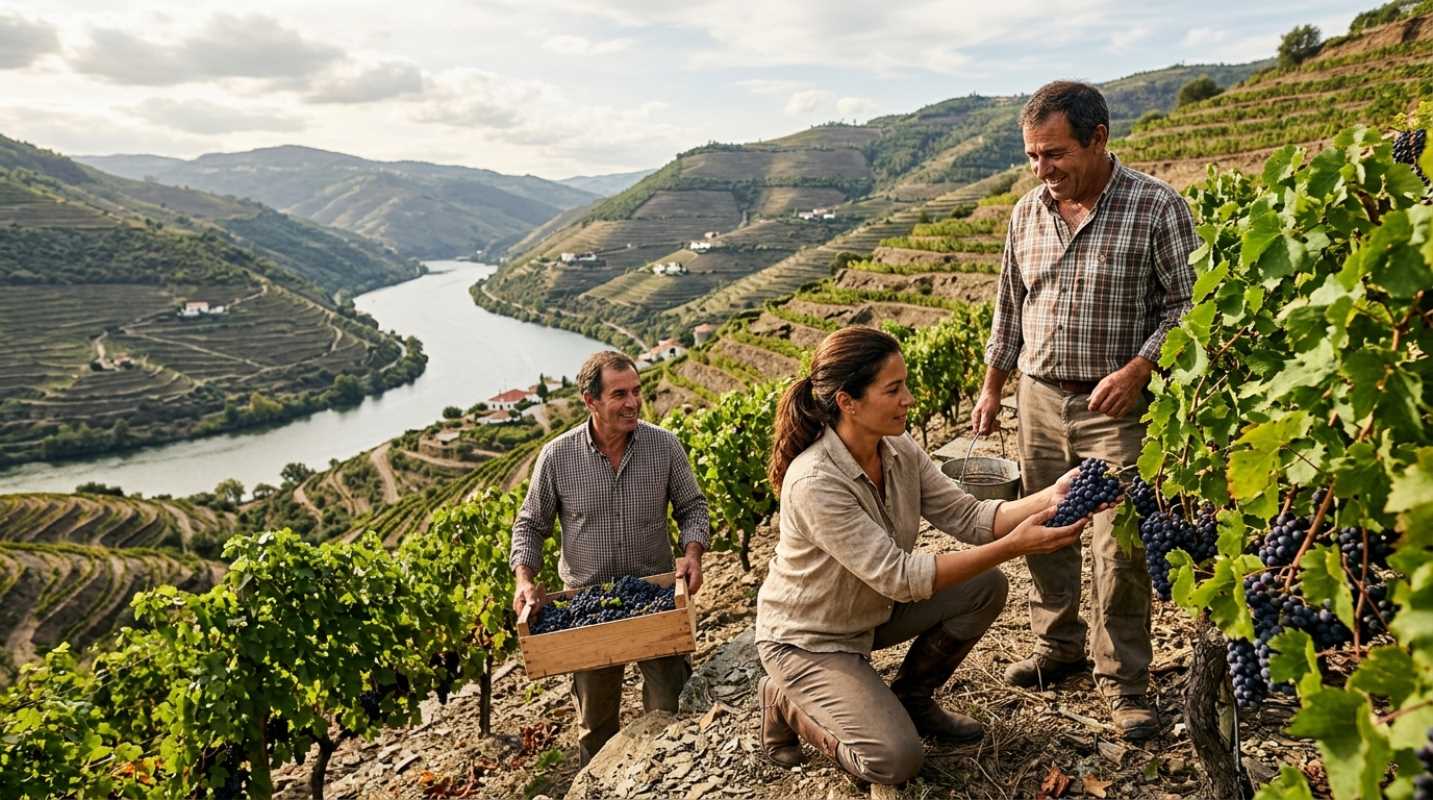
A quiet revolution is happening in the wine world right now. Although overall global wine consumption has dipped slightly, the demand for small-batch, low-intervention wines from unexpected places is exploding.¹ Wine lovers are trading the predictable luxury of famous regions for the thrill of the unknown. They want to talk to the actual winemaker, walk through vineyards that do not look like manicured golf courses, and taste bottles they cannot find at the local supermarket.
The global wine tourism market is projected to reach over 75 billion dollars by 2035, driven largely by travelers who seek these intimate, eco-conscious vineyard stays.² Finding world-class quality does not require sticking to the tourist traps. It just requires looking at a different map.
The High-Altitude Magic of Uruguay
When you think of South American wine, Argentina and Chile probably come to mind first. But Uruguay is quietly carving out its own identity with some of the most exciting coastal wines in the Southern Hemisphere.
The star of the show here is Tannat. Historically, this grape had a reputation for being aggressively rustic and mouth-puckeringly tannic. But Uruguayan winemakers, especially in the coastal clay soils of Canelones, have completely tamed the grape. They are creating elegant, violet-scented, silky-tannin reds that can easily challenge the best Malbecs next door.
The geography makes all the difference. Cool Atlantic ocean breezes sweep across the vineyards, keeping the grapes fresh and balanced. It is a maritime climate that has more in common with Bordeaux than the hot, dry plains of Mendoza.
The best part of visiting Uruguay is the sheer intimacy. Most wineries are small, family-run estates where you will likely find the owner or lead winemaker pouring your glass. There are no velvet ropes here. Just passionate people making honest wine on rolling green hills that meet the ocean.
Georgia: The Ancient Cradle of Viticulture
If you want to understand the future of wine, you have to go back to the very beginning. Welcome to Georgia, a country with an unbroken eight-thousand-year history of winemaking.
The heart of Georgian wine culture is the Qvevri. These are massive, egg-shaped clay vessels buried underground where grapes ferment naturally, skins, stems, and all. This UNESCO-recognized method produces wines with incredible texture, complexity, and a deep amber color. If you have ever enjoyed a trendy orange wine, you have Georgia to thank for the inspiration.
But Georgia is not just a museum of ancient techniques. It is a playground for terroir exploration. The country has over five hundred indigenous grape varieties, though you will mostly see Saperavi, a deeply colored, spicy red, and Rkatsiteli, a high-acid white. The soils vary wildly from alluvial plains to volcanic mountain slopes, which gives every valley a completely distinct flavor profile.
Traveling here is also a masterclass in hospitality. In Georgia, a guest is considered a gift from God. The local wine feasts, known as supras, are legendary, filled with endless food, toasts, and warmth. Compared to the eye-watering prices of Western Europe, Georgia offers an incredibly affordable, deeply soul-stirring adventure.
The Volcanic Soul of the Canary Islands
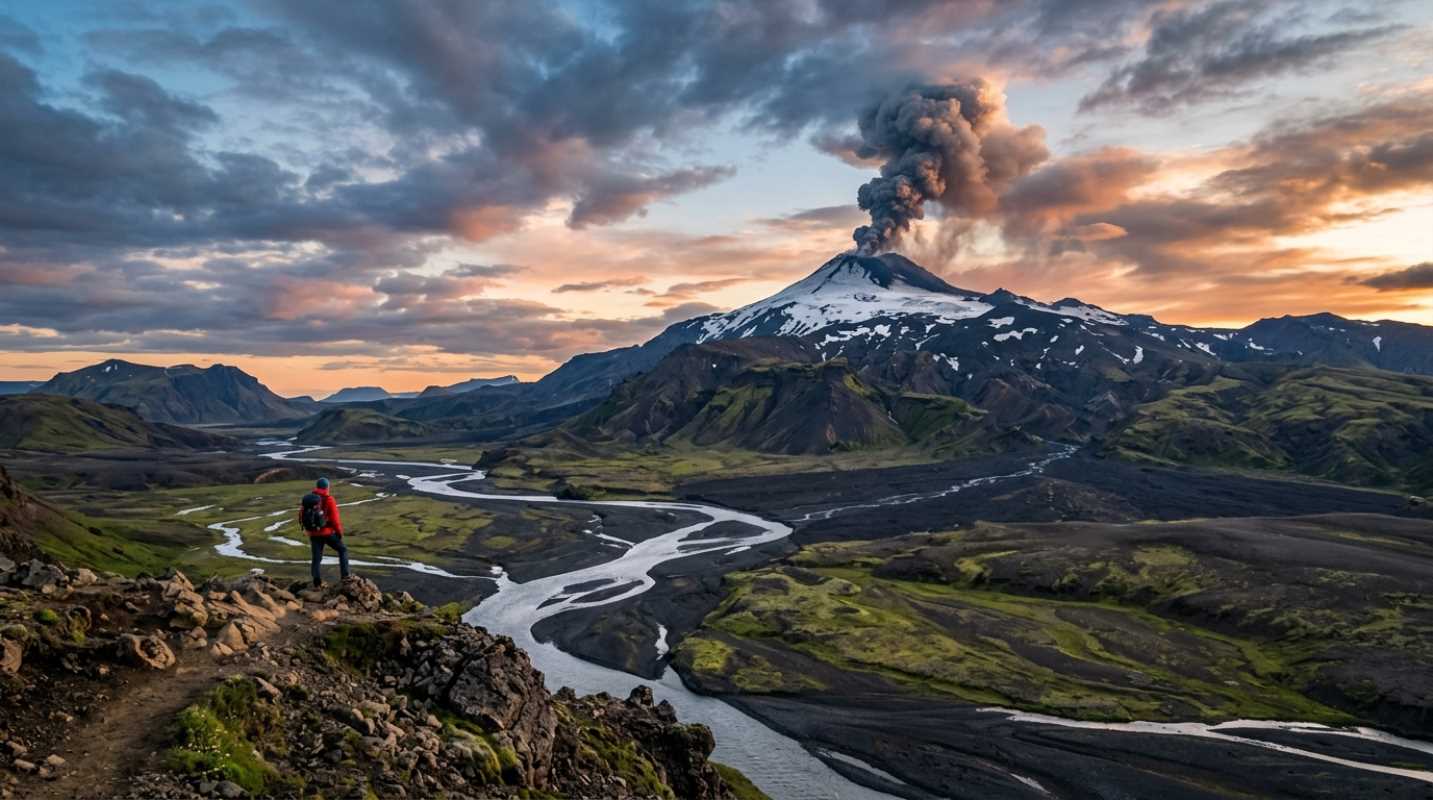
Imagine vines growing out of black volcanic ash, protected from fierce Atlantic winds by individual, hand-built stone semi-circles. This is the moon-like terrain of the Canary Islands, a Spanish archipelago off the coast of Morocco. It looks more like a sci-fi movie set than a typical vineyard.
This dramatic environment shapes the wine in a major way. The volcanic soils, rich in basalt and sulfur, give the wines a striking, smoky minerality. When you take a sip of a white wine made from the Listán Blanco grape, you can practically taste the sea salt and the volcanic fire.
Because these islands are so isolated, they escaped the phylloxera epidemic that destroyed Europe's vineyards in the nineteenth century. That means many vines here are ancient, ungrafted, and anchored deep in the volcanic earth.
Today, a new generation of local winemakers is leading a resurgence of low-intervention winemaking. They are avoiding heavy oak and chemical additives to let the wild, untamed character of the islands speak directly through the glass. It is a taste of history, soil, and sea that you cannot replicate anywhere else.
Cool-Climate Elegance in Tasmania
For decades, Australia was famous for producing massive, high-alcohol Shiraz designed for global export. But if you head south across the Bass Strait to the island of Tasmania, you will find a completely different world. This is Australia's cool-climate crown jewel.
Tasmania is all about boutique production. Instead of industrial-scale operations, the island is dotted with small, highly focused wineries that prioritize quality over quantity. The cool, maritime climate, moderated by the Southern Ocean, is perfect for slow grape ripening.
This unique environment produces world-class Pinot Noir and sparkling wines that rivals Champagne. The sparkling wines have a crisp, electric acidity and deep complexity, while the Pinot Noirs are elegant, perfumed, and packed with bright red fruit flavors.
The island's pristine environment also makes it a natural hub for sustainable, organic, and biodynamic farming. Winemakers here are deeply protective of their land, and they use natural methods to keep the soil healthy. It is a clean, green approach that translates directly into exceptionally pure, lively wines.
If you are ready to plan your next tasting trip, here are a few highly recommended boutique experiences and stays that will get you close to the vines.
Your Next Sip of Adventure
At the end of the day, wine is about more than just what is in the glass. It is about the story of a place, the people who made it, and the thrill of tasting something that feels entirely new.
The world is full of incredible, underrated wine regions waiting to be discovered. Whether you are sipping an ancient-style amber wine in a Georgian valley, tasting the volcanic fire of the Canary Islands, or enjoying a silky Tannat on the coast of Uruguay, you are choosing curiosity over corporate labels.
So, why stick to the same old tasting rooms? The next time you plan a trip or browse the shelves of your local wine shop, look past the usual suspects. Your next great wine adventure is waiting in a corner of the map you never expected.
Sources:
1. The Rise of Boutique Wineries: Why Small-Batch Wines Are the Future
https://mynetworkmag.com/the-rise-of-boutique-wineries-why-small-batch-wines-are-the-future/
2. United States Wine Tourism Market
https://www.futuremarketinsights.com/reports/united-states-wine-tourism-market